Diwali Do’s and Don’ts According to Hindu Traditions
Diwali is one of the most important festivals in the Hindu calendar. It marks the victory of light over darkness and good over evil. In most Hindu homes, the five days of Diwali (starting from Dhanteras) are observed with specific rituals, cleanliness, prayers, and family gatherings. While practices can vary slightly from region to region and family to family, there are some common do’s and don’ts that most people follow.
What You Should Do on Diwali
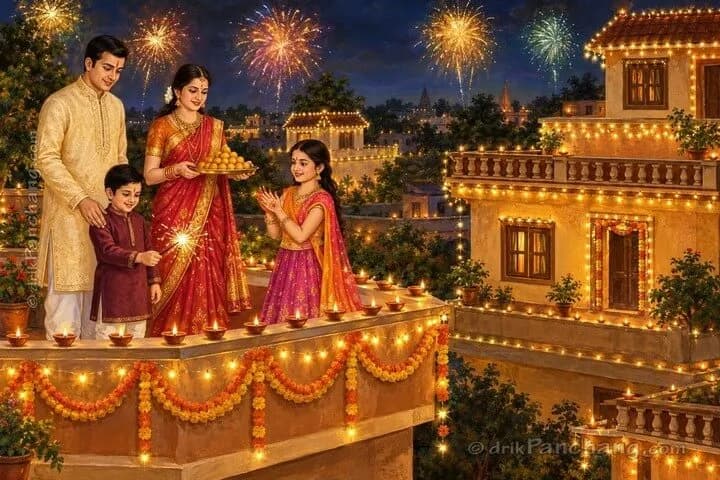
- Clean and decorate the house: Homes are thoroughly cleaned before Diwali. This is done to welcome Goddess Lakshmi. Rangoli, diyas, lights, and flowers are used for decoration.
- Perform Lakshmi Puja: On the main day of Diwali (Lakshmi Puja), families worship Goddess Lakshmi and Lord Ganesha for prosperity and well-being. The puja is usually done in the evening after sunset.
- Light diyas and candles: Lighting earthen lamps (diyas) is considered very auspicious. It is believed that the light guides Goddess Lakshmi into the home and removes darkness and negativity.
- Wear new or clean clothes: Wearing new clothes or at least clean and neat clothes is a common practice. It is seen as a sign of respect and renewal.
- Share sweets and gifts: Exchanging sweets, dry fruits, and small gifts with family, friends, and neighbours is an important part of Diwali. It strengthens relationships.
- Do charity and help others: Many families donate money, clothes, or food to the needy on Diwali. Helping others is considered a way to gain blessings.
- Spend time with family: Diwali is a time for family gatherings, prayers together, and enjoying meals. Most people try to be home with their loved ones.
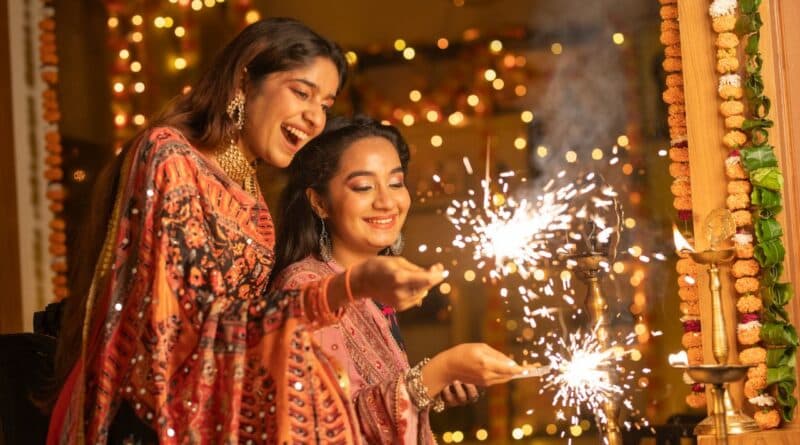
- Burst crackers responsibly (if at all): In many traditional households, limited firecrackers are used as part of the celebration. However, more families now prefer eco-friendly ways or avoid them completely.
What You Should Avoid on Diwali
- Do not leave the house dark: It is considered inauspicious to keep the house dark on Diwali night. Lighting diyas or lights is important.
- Avoid non-vegetarian food and alcohol (in many households): A large number of Hindu families observe a vegetarian diet during Diwali, especially on the main puja day. Alcohol is also avoided in most traditional homes during the festival period.
- Do not waste food or money unnecessarily: While celebration is important, excess waste or show-off is discouraged. Many elders advise spending wisely and focusing on prayers and family.
- Avoid quarrels and negative talk: Diwali is meant to be a positive and peaceful time. Arguments or negative conversations are generally avoided.
- Do not ignore elders and rituals: Skipping the puja or ignoring family traditions without reason is not preferred in most homes. Elders are usually consulted for the exact muhurat and rituals.
- Avoid dirtying the house after cleaning: Once the house is cleaned for Lakshmi Puja, people try to keep it clean. Leaving the house messy is considered disrespectful.
- Do not force others: Not every family follows the same customs. Respecting each other’s way of celebrating is important.
Simple and Meaningful Way to Celebrate
The essence of Diwali according to Hindu tradition is light, cleanliness, prayer, gratitude, and togetherness. Lighting diyas, performing a simple Lakshmi Puja, sharing sweets with family and neighbours, and helping someone in need are enough to make the festival meaningful. You don’t need to do everything perfectly — doing it with a clean heart and positive intention is what matters most.
Many families also take this time to start fresh — settling old accounts, forgiving small issues, and setting positive intentions for the coming year. That spirit of renewal is at the heart of the festival.